Introduction
Stepping into a dance studio for the first time is a thrilling experience, one that can mix a cocktail of feelings-- excitement, anxiousness, expectancy. Whether you're a skilled professional dancer or just beginning your trip, recognizing the nuances of dance studio rules can elevate your experience and enhance your relationships with teachers and fellow professional dancers alike. In this comprehensive guide, we'll dive deep right into Mastering Dance Studio Decorum: Important Tips for Beginners and Pros Alike
From basic rules to innovative considerations, this short article will cover whatever you require to find out about browsing the vivid world of dance workshops. So tighten up those shoelaces and allow's get started!
The Significance of Dance Studio Etiquette
Why Decorum Matters in Dancing Studios?
In any kind of artistic atmosphere, rules plays an essential function in preserving harmony and respect among individuals. Dancing studios are no exemption. Great decorum fosters a favorable ambience where imagination can flourish.
- Respect: Being thoughtful towards trainers and fellow professional dancers constructs common respect. Focus: Etiquette reduces disturbances, allowing everyone to concentrate on learning. Community: Decorum helps create a helpful community that urges development and camaraderie.
Common Misconceptions About Dance Studio Etiquette
Many newbies hold false impressions concerning what makes up appropriate actions in dance workshops. Allow's expose some myths:
Myth 1: "Only innovative professional dancers need to follow rules."
Fact: Etiquette is essential for all levels; it mirrors professionalism.
Myth 2: "Trainers are as well strict concerning rules."
Fact: Trainers apply regulations to keep order and respect.
Basic Dance Studio Decorum for Beginners
Dress Code: What to Wear?
First impressions matter! The right outfit not just shows your commitment but also improves your performance. Below's how to clothe properly:
- Comfort: Pick garments that allow totally free movement. Footwear: Purchase good-quality shoes suited to your dancing style.
|Dance Design|Advised Attire|| -------------|-------------------------|| Ballet|Leotard, leggings, ballet slippers|| Hip-Hop|Loose-fitting clothing, tennis shoes|| Faucet|Comfy clothes, tap footwear|
Arriving promptly: Preparation is Key!
Being late can disrupt the entire class. Aim to get to least 10 minutes early to:
- Warm up. Settle in mentally.
Tip: If you're running late because of unforeseen situations, notify the trainer beforehand.
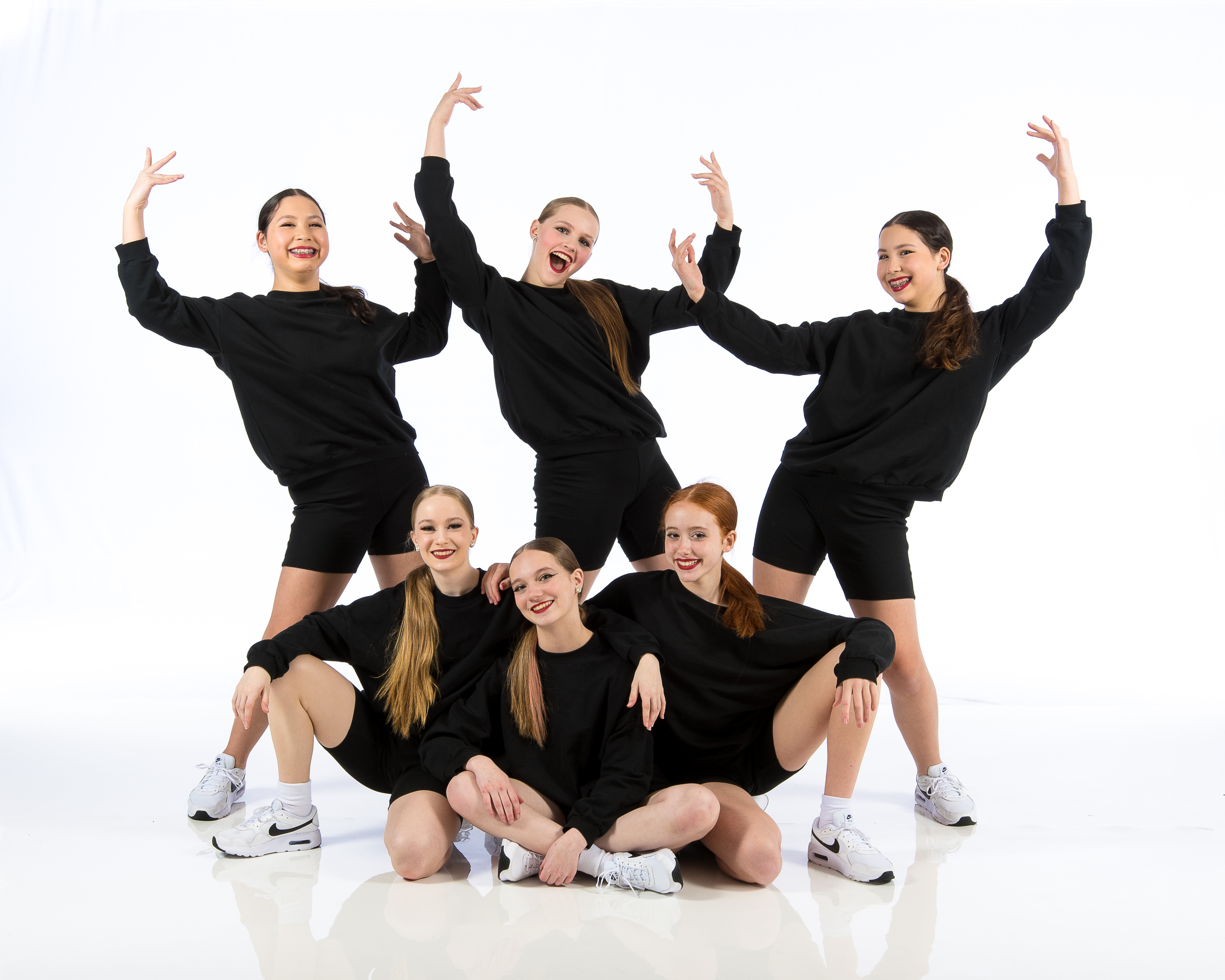
Quiet Zone: Maintaining Silence Before Class
Dance workshops thrive on focus. Keep conversations to a minimum before class starts to ensure every person can prepare mentally.
Intermediate Dance Studio Rules: Structure Relationships
Respecting Individual Area in Class
Every Dance Studio dancer deserves their room during practice. Stay clear of crowding others while exercising relocations or routines.
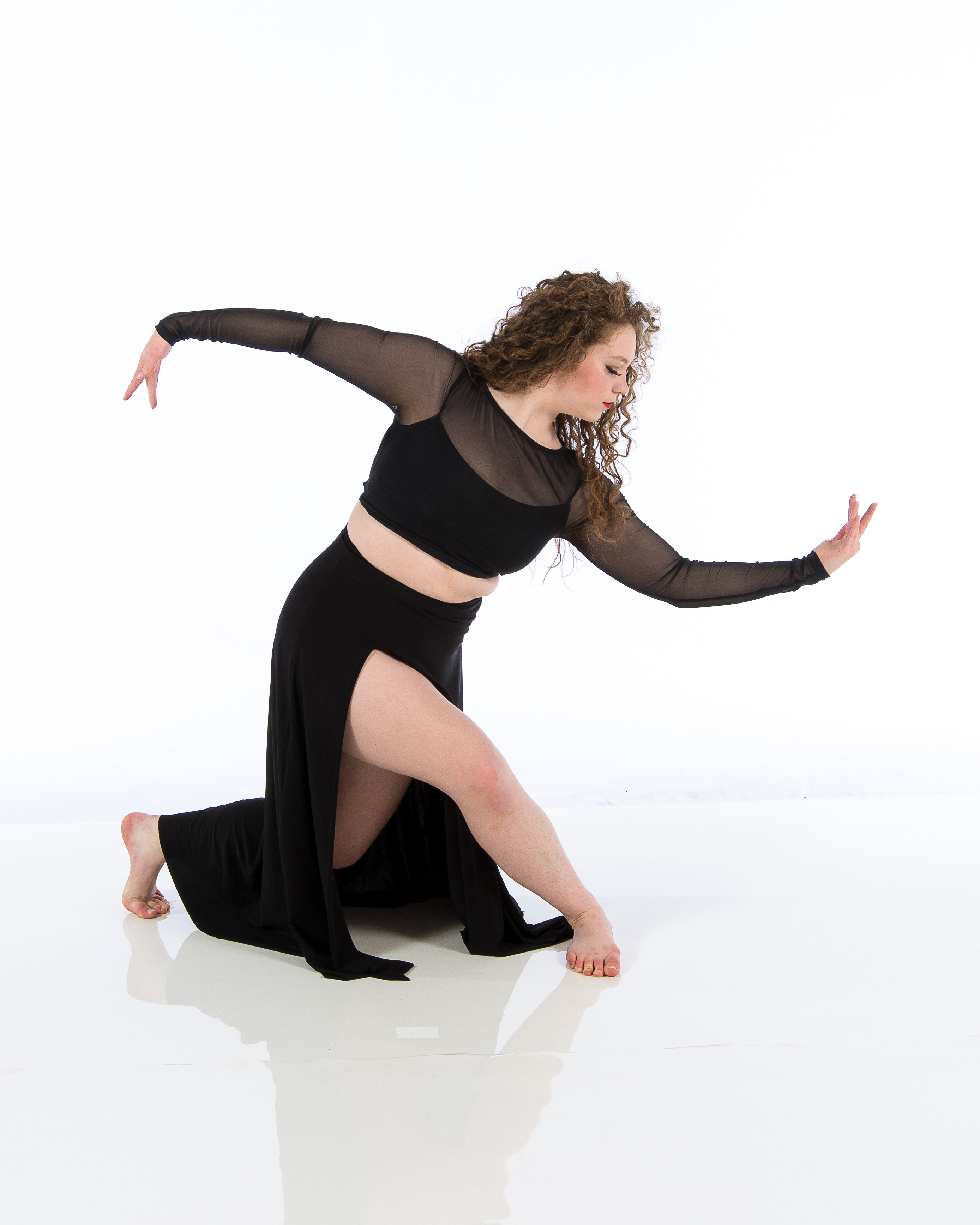
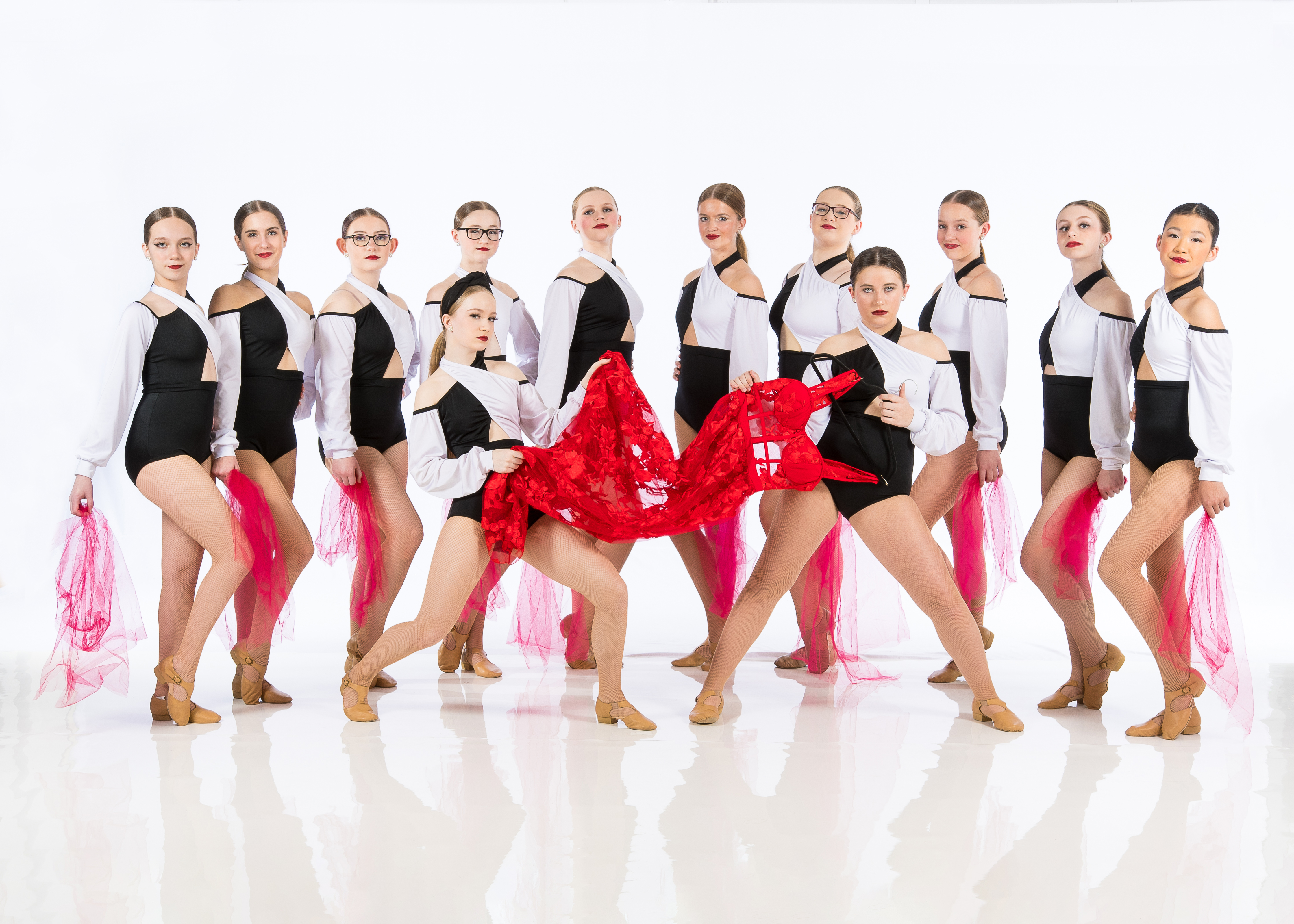
Why It Matters: Respecting personal space advertises comfort and assists in far better learning experiences.
Listening Actively During Instructions
When a trainer is talking, it's crucial to take note. Active paying attention shows regard and helps you comprehend essential concepts.
How To Show Energetic Paying attention:
Maintain eye contact with the instructor. Nod when appropriate. Ask clearing up concerns if needed.Advanced Dance Studio Rules: Raising Your Experience
Providing Positive Feedback Wisely
As you expand extra seasoned, sharing feedback becomes part of the culture. However, approach this delicately:
Focus on particular motions instead of basic critique. Offer pointers only if obtained by peers.Encouraging Others: Building Community Spirit
Support your other dancers with encouragement:
- Compliment their efforts genuinely. Celebrate their success openly.
Mastering Dance Studio Etiquette: Important Tips for Beginners and Pros Alike-- The Instructors' Perspective
Understanding Trainer Expectations
Instructors generally have details expectations pertaining to behavior in class. Familiarizing yourself with these can greatly improve your understanding experience:
Listen attentively when they speak. Follow instructions precisely. Give your best shot throughout every session.Building Relationship with Your Instructor
Establishing a good relationship with trainers can be advantageous for your development as a dancer:
- Ask inquiries connected to choreography or technique after class. Thank them for their assistance post-class; appreciation goes a long way!
Handling Conflict With dignity in the Dance Studio Environment
Dealing with Disagreements Among Peers
Conflicts might emerge within any type of team setup; knowing exactly how to handle them beautifully is vital:
Approach the individual privately without intensifying tension. Use "I" declarations instead of "you" statements (e.g., "I really felt forgotten when ...").Addressing Issues with Trainers Professionally
If you have issues relating to instruction or class characteristics:
Request a personal meeting after course hours. Express your sensations constructively concentrating on options instead of complaints.The Role of Non-Verbal Interaction in Dancing Studios
Understanding Body Language Signals
Dance inherently involves non-verbal interaction; understanding how body language functions in this context is essential:
Positive body language (e.g., open stance) promotes connection. Negative signals (gone across arms) might communicate defensiveness or disengagement.Using Eye Get in touch with Successfully During Classes
Maintaining eye call with teachers shares attentiveness while likewise helping construct rapport among peers throughout team performances!
FAQs
Q1: What must I put on for my first dance class?
A1: Go with comfy clothing that allows complimentary movement-- yoga pants or tights coupled with a fitted leading jobs well!
Q2: Is it okay to miss out on classes occasionally?
A2: Life takes place! Notify your trainer beforehand if possible; they'll appreciate your consideration.
Q3: How do I handle sensation timid around various other dancers?
A3: Start small-- present on your own one-on-one before increasing interactions progressively as familiarity grows!
Q4: Can I bring buddies along to observe classes?
A4: Many studios like prior plans; consult management first so they know additional attendees!
Q5: Suppose I differ with a teacher's feedback?
A5: Approach them respectfully post-class; share feelings using "I" declarations concentrating on positive dialogue instead of confrontation!
Q6: Need to I participate in efficiencies also if I'm new?
A6: Absolutely! Participating increases self-confidence-- speak out concerning any hesitations so holiday accommodations can be made accordingly!
Conclusion
Mastering dance studio rules isn't practically complying with regulations; it's about cultivating an enhancing environment where everybody feels valued and inspired-- whether you're simply starting or fine-tuning innovative methods as a skilled pro! By sticking carefully to these necessary tips described below under Mastering Dance Studio Rules: Essential Tips for Beginners and Pros Alike, not just will you enhance your own experience yet likewise add positively in the direction of supporting an inviting area within each dance studio you elegance with your presence! So take these understandings forward right into every studio area you go into-- and allow the rhythm lug you toward excellence!
